
Introduction
Artificial intelligence (AI) and automation have dramatically changed the marketing and communications industry. These technologies offer unprecedented opportunities to personalize and optimize marketing strategies, from data-driven insights to efficient execution. At the same time, they bring challenges related to ethics, privacy and the role of human creativity. In this article, we explore how AI and automation are transforming marketing processes, what the benefits and challenges are, and where the balance lies between technology and human input.
AI: The engine behind personalized marketing
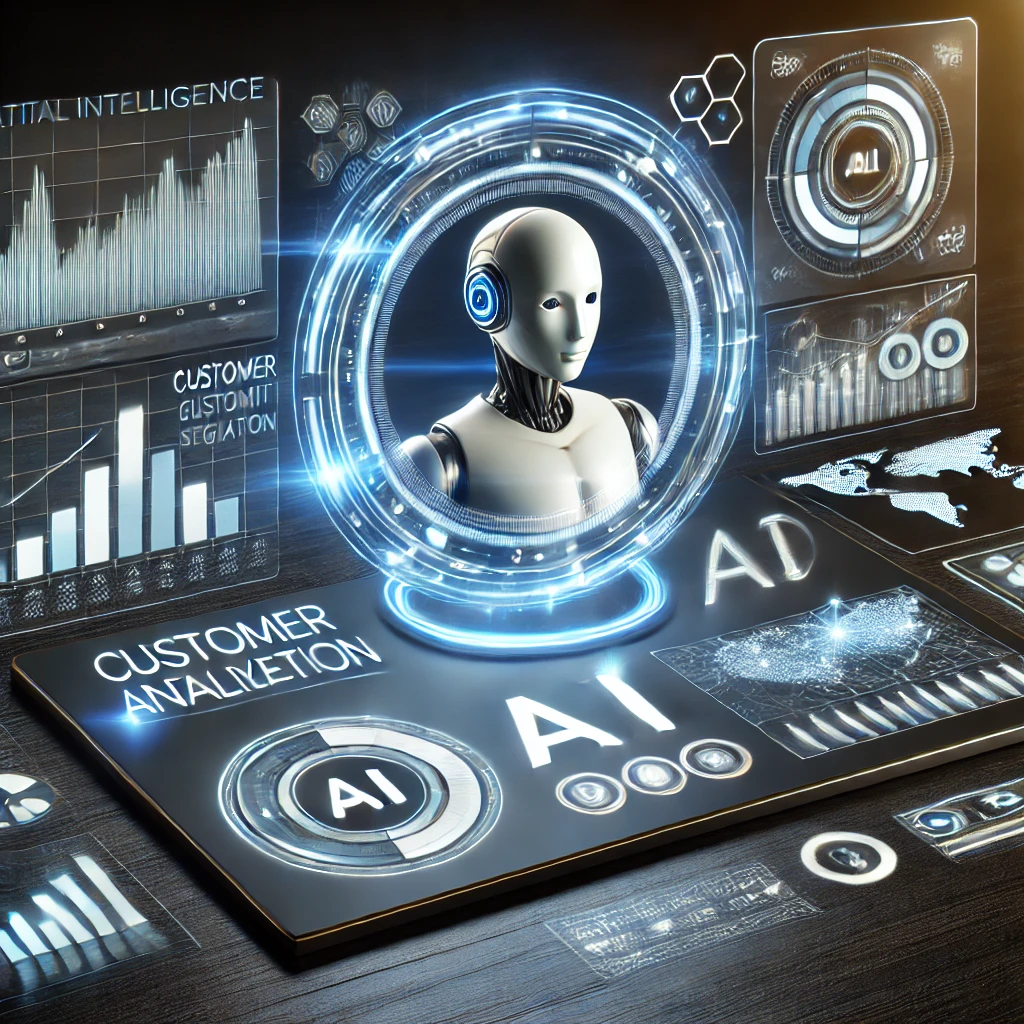
AI enables marketers to analyze vast amounts of customer data and recognize patterns that were previously invisible. Machine learning allows companies to predict customer preferences and behaviors, resulting in hyper-personalized recommendations and campaigns. Think of streaming services that offer customized playlists, or e-commerce platforms that suggest products based on previous purchases.
Automation: efficiency and scalability
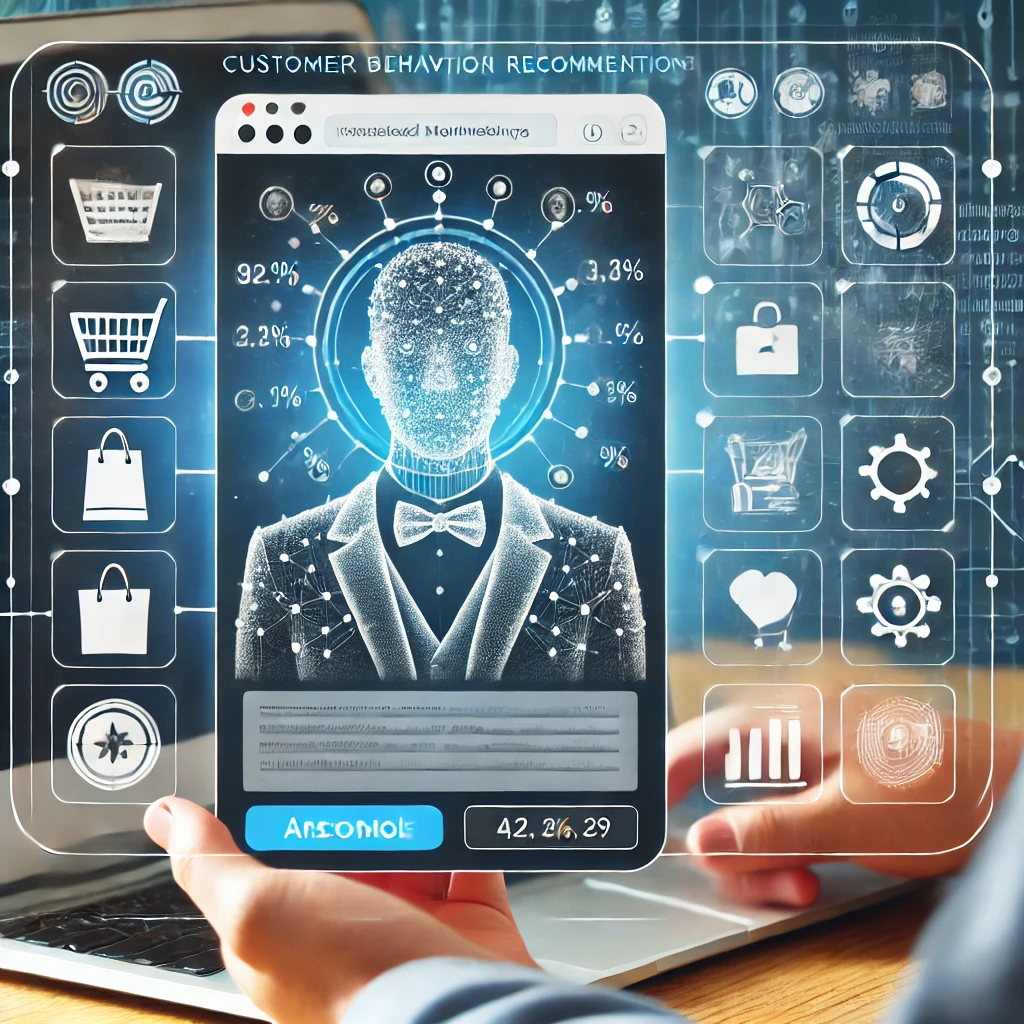
Automation plays a crucial role in streamlining routine tasks such as email marketing, social media scheduling and customer service. This lowers the workload for marketing teams and allows for large-scale delivery of personalized content. In addition, automation speeds up campaign execution, allowing companies to respond more quickly to changing customer needs.
The ethical and privacy challenges
With the growth of AI and automation also come questions of ethics and privacy. Consumers are becoming increasingly critical of how their data is collected and used, and regulations such as the GDPR are forcing companies to be more transparent. Building trust and ensuring privacy are crucial to providing customers with a positive experience without compromising their trust.
The human factor: creativity and empathy
While technology can take over many tasks, the human factor remains essential. Creativity, empathy and strategic insight are indispensable for making emotional connections with customers. AI can improve data analysis and process optimization, but people remain the driving force behind developing impactful stories and campaigns.
Conclusion
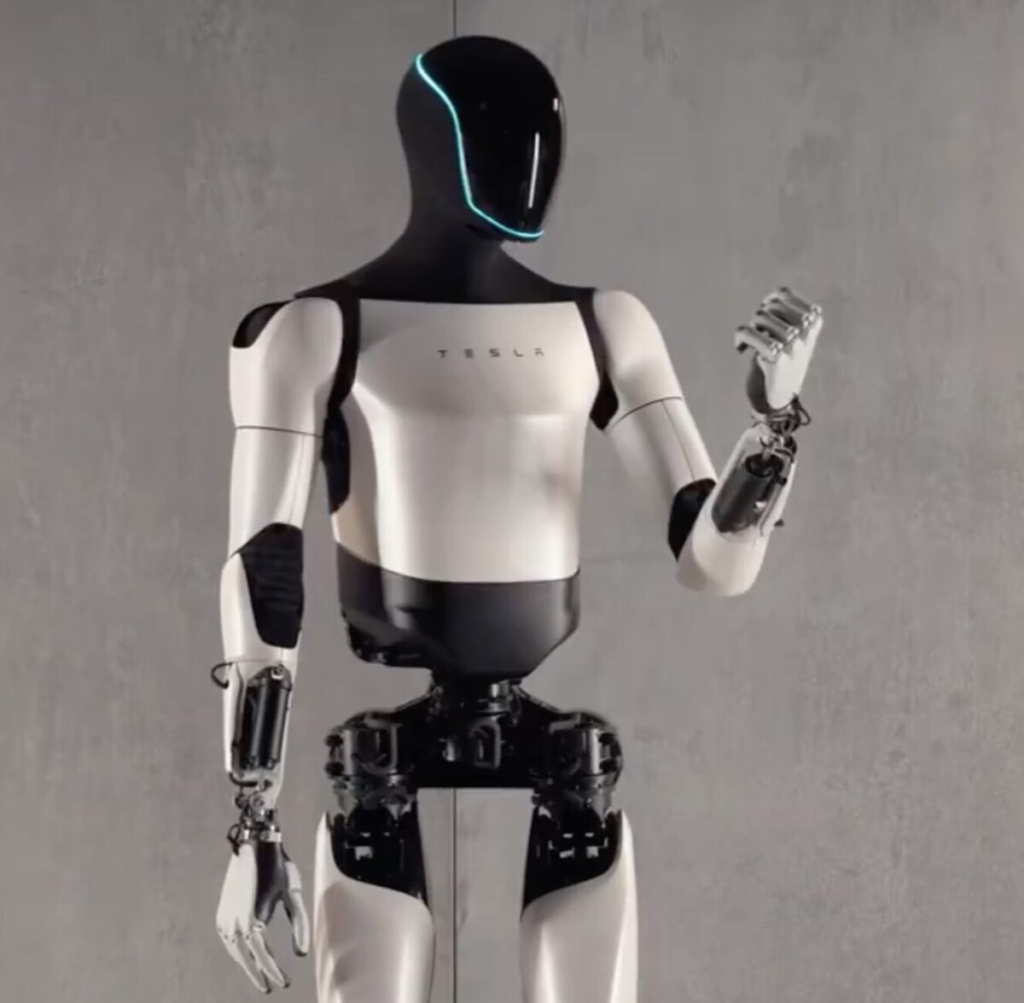
AI and automation have the potential to revolutionize marketing strategies by taking personalization, efficiency and scalability to new heights. Companies that successfully integrate these technologies will gain a competitive advantage, provided they also consider ethical issues and continue to harness the unique value of human input. The future of marketing lies in the collaboration between humans and machines.